
Be aware that alcohol-related aggression can have serious consequences, including legal issues and harm to your health. Statistics show that violence related to alcohol can lead to significant injuries and other issues. Understanding your triggers helps you avoid or prepare for these situations.
“It can be difficult to be aware of the impact of your emotions due to alcohol’s effect on the brain,” Metcalf explains. As a whole, alcohol use naturally heightens emotions, and for people who are predisposed to aggressive tendencies, it can quickly make bad scenarios worse. Reframe supports you in reducing alcohol consumption and enhancing your well-being.
Ready to break the cycle of alcohol-fueled anger? Find healing with personalized support.
They first consumed alcohol and were asked to recognize the emotions of different faces on a computer task. Specifically, they exhibited a reduced capacity to detect sadness and fear and a reduced tendency towards seeing happiness. Consuming alcohol can serve as a distraction from a range of negative feelings, including anger. And all too often, as in Ryan’s case, it reflects displacement, directing anger toward a target that is not the source of an individual’s original anger. Many people enjoy alcoholic drinks as a way of relaxing, sometimes to reduce the tension of socializing or to quiet an overactive mind.
- Usually, when people think of an “angry drunk,” they mean an aggressive one.
- If you or someone you know is struggling with alcoholism and bouts of alcoholic rage, Dove Recovery offers individualized alcohol rehab in Columbus, Ohio.
- Alcohol increases the release of dopamine, giving you that initial rush of pleasure.
- However, it also messes with your brain’s GABA and glutamate systems, which are crucial for keeping your emotions balanced.
Get Help for Alcoholism and Rage
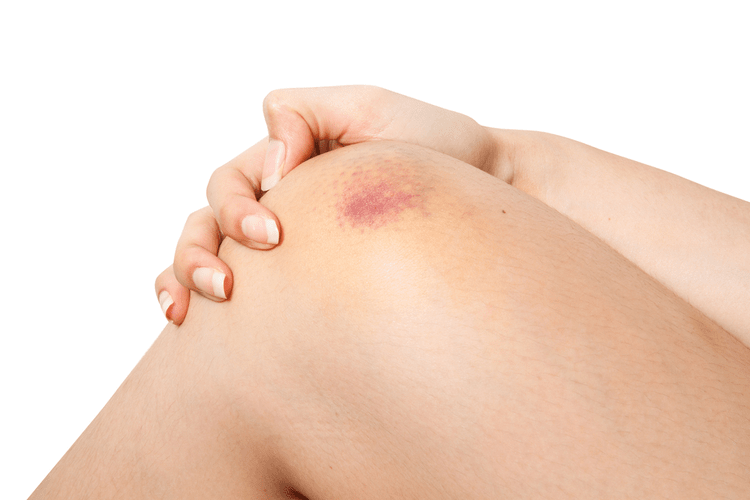
Researchers have studied the connection between anger and aggression for years. However, it’s about more than getting easily upset or having a short fuse when you drink alcohol. The outcomes of alcohol and anger can be hazardous, causing traumatizing situations for the inebriated person and the people around them. Why does alcohol make me irritable, but my friend gets giggly and happy? This is a great question because it highlights how personal the effects of alcohol are. Alcohol acts like an amplifier for whatever you’re already feeling, even if it’s subconscious.
Physical health issues
Whether you’re facing alcohol dependence yourself or trying to help a loved one, there is hope. People under the influence are more impulsive and less aware of how their words or actions affect others. Those who already struggle with controlling their emotions may exhibit explosive or violent behavior when drinking. This pattern often shows up in people who also struggle with depression or anxiety.
Seeking professional help via counseling or therapy can be beneficial for individuals suffering from alcoholic rage syndrome. Anger is a common emotion and needs to be expressed in healthy ways. However, uncontrolled anger, such as alcoholic rage, can be dangerous not only for the individual but those present around them. Anger often leads to excessive drinking, which can then amplify anger issues. Without breaking this cycle, it can damage both you and those around you.
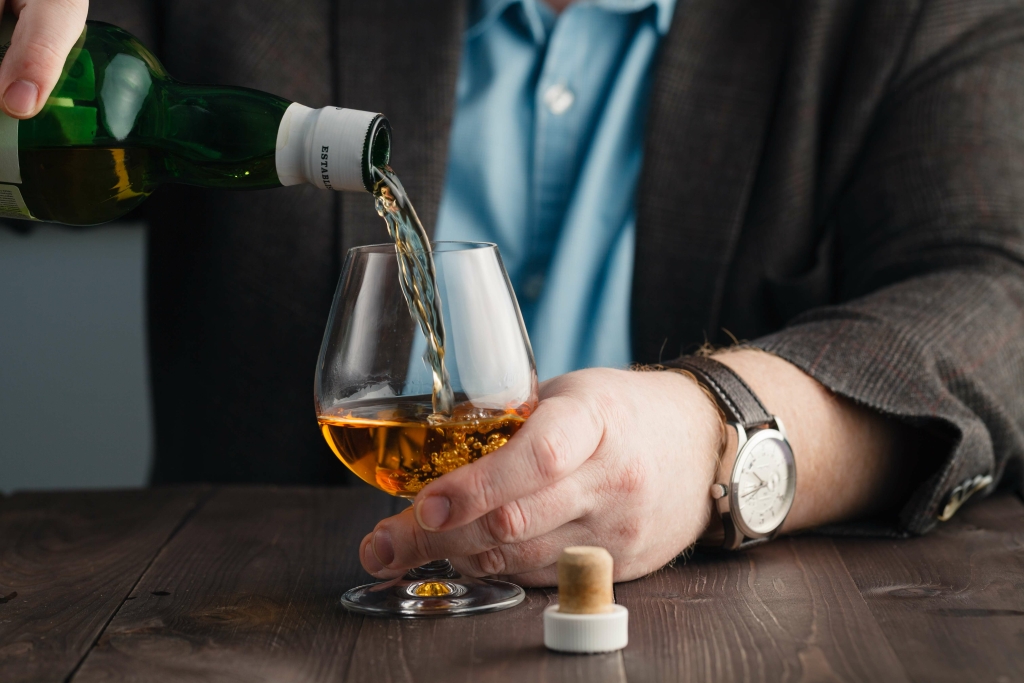
Understanding how alcohol affects your emotional Substance abuse regulation is the first step toward regaining control and finding a healthier balance. Research shows that genetics play a major role in developing alcohol use disorders. If someone grows up watching a parent or close relative struggle with alcoholism, it can leave a lasting impact. This early exposure often shapes how they view and use alcohol later in life. It also involves behaviors picked up through family dynamics, emotional habits developed early in life, and coping mechanisms formed during childhood. These tantrum-like behaviors may seem immature or irrational to others, but they often reflect unresolved emotional wounds or unmet needs.
- That combination makes it harder to regulate emotions or respond calmly to stress.
- For example, if you start drinking when you’re lonely and sad, you may find the alcohol makes you feel even more desolate and distressed than you did when you were sober.
- Similarly, type A personalities are more prone to alcohol-related anger.
- This early exposure often shapes how they view and use alcohol later in life.
Additionally, there is evidence that chemical and biological factors play a role. People with higher levels of testosterone are more likely to be aggressive. Alcohol severely decreases cognitive function, which makes it harder to problem-solve, make safe decisions, and control aggression. This impact can begin to take place after just one drink, depending on the person and https://ecosoberhouse.com/ other factors, he adds (2).
But once GABA is metabolized, it mostly converts to glutamine, causing excitement (6). Additionally, the amygdala area of the human brain is where we process emotions. And our orbitofrontal cortex (OFC), which is part of the PFC, helps calm feelings of rage and aggression.
For others, it becomes a persistent problem that interferes with everyday life. Contact us today to begin your road to recovery and overcome addiction and alcoholic rage syndrome. It is not uncommon for those who deal with anger issues to become aggressive while drinking. Typically, anger will lead to aggression unless something happens to resolve the situation. If an intoxicated person becomes upset, a consoling friend might calm them down.
Maybe they’ll finally say all the things they’ve been holding back or get into a fight with someone that’s been harassing them. Dr. Beth Dunlap, a alcohol and anger board-certified addiction medicine and family medicine physician, and is the medical director at Northern Illinois Recovery Center. She is responsible for overseeing all the integrated medical services at both campuses. Beth completed medical school, residency, and fellowship at Northwestern University, where she continues to serve on the faculty as a member of the Department of Family and Community Medicine.
